
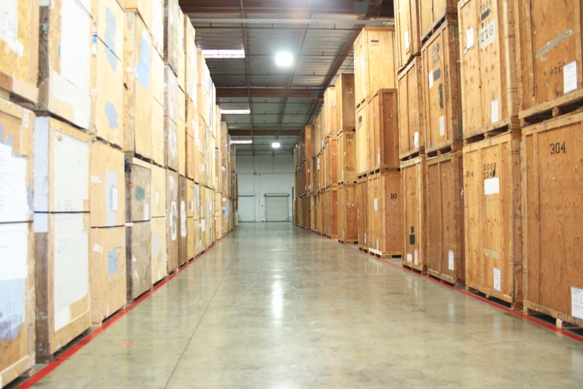
¿Se está mudando a un lugar más pequeño? ¿Necesita espacio adicional para sus pertenencias?
Alquilar una unidad de almacenamiento podría ser la solución. Si nunca ha utilizado una unidad de almacenamiento antes, aquí tiene algunos consejos y advertencias para garantizar que su experiencia sea sin complicaciones.
HAGA: investigue unidades de almacenamiento con control climático
Podría sentirse tentado a elegir una unidad de almacenamiento más barata que no ofrezca control climático; sin embargo, mantener una temperatura constante en la unidad ayudará a proteger sus pertenencias de daños. Por ejemplo, si tiene muebles de madera, las altas temperaturas y/o la humedad pueden provocar el deterioro de la madera. Además, los aparatos electrónicos y cualquier otro objeto con componentes metálicos son propensos a oxidarse y a funcionar mal si no se almacenan en un área fresca y seca.
HAGA: organice una lista al utilizar un espacio de almacenamiento
Una vez que haya encontrado una empresa de almacenamiento que se ajuste a sus necesidades, haga dos listas. Una es para pensar en su nuevo lugar y qué artículos definitivamente se llevará con usted. Esto podría ser una mezcla de sus pertenencias actuales y nuevas adquisiciones.
The other list will have everything that is going in storage. Your storage list may include bulky furniture that’s too big to move, or pieces that you are considering letting go of but are not entirely ready to give up. Seasonal decorations, clothes, and sports equipment are also great to stow away, and you can easily swap out items during the appropriate season. Once you have these lists written out, it will reduce some stress when the time comes to move everything.
DO protect your furniture in Storage
When storing your furniture, you should always protect it in some sort of wrap or film. It’s usually easiest to disassemble larger furniture pieces (i.e. tables, chairs, patio furniture) and wrap the individual components. Jacksonville Elite Movers recommends the added precaution of laying down a plastic sheet to prevent any dirt or dust from getting onto the furniture during the wrapping process. It’s also a good idea to give your furniture a nice deep clean before storage (though be sure that all furniture is completely dry to prevent the spread of mold).
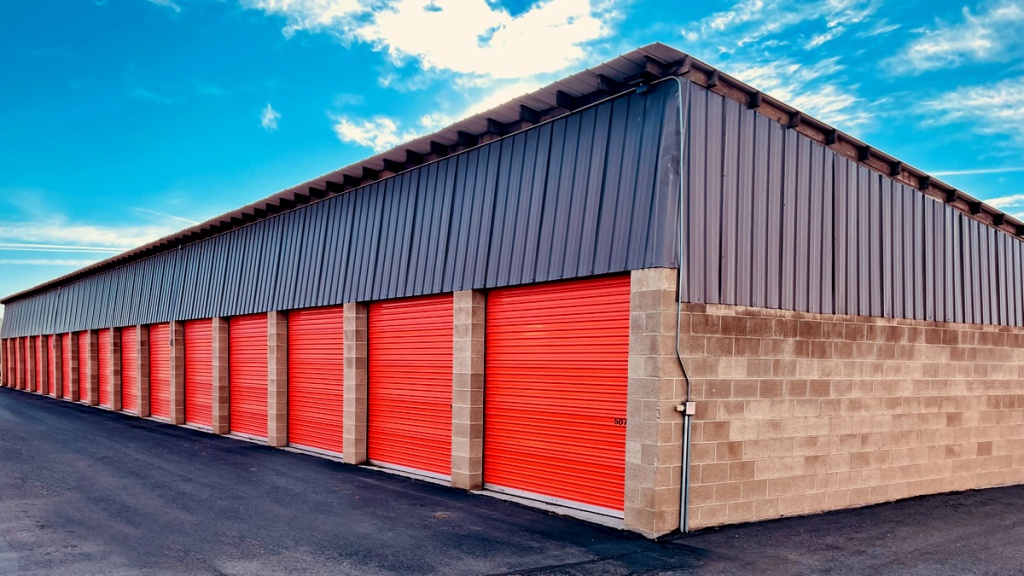
DON’T put valuables in storage
Never put your valuables in storage. This includes any important documents, memorabilia, family heirlooms, or anything else that you’d be devastated to lose. Putting your belongings in a storage unit is not risk-free, and it’s better to be safe than sorry. Jaxmov.com says it’s not always just a matter of safety or liability; there is always the possibility of an unforeseen event that could happen on the premises that could destroy your items, like a fire, flooding, or robbery.
DON’T store plants
This might seem obvious, but it’s a good reminder. Storage units have no source of light, water, or fresh air — the essentials for a plant to thrive. Plants can also be the source of unwanted pests in your unit, so better to donate or take your plants with you. Not sure how to pack your plants? We broke it down in our “How to Move Plants Long Distance” article, which gives you all the tips and tricks you need to transport your plants safely.
DON’T store your bed without a cover
When asking people for their thoughts on what to avoid putting in storage, many advised against storing mattresses. But if you absolutely have to put your mattress(es) or box spring(s) in a storage unit, be sure to heed the following tips:
Deep clean your mattress before putting it away!
Southeast Elite Movers suggests sprinkling baking soda on the exterior to absorb any lingering odors, then vacuuming up the excess.
Una vez que esté completamente limpio, cubra su colchón y/o base con un plástico transpirable o una bolsa para colchón segura.